Some brands don’t need an introduction. They’re part of the cultural fabric.
Bogner Group (Bogner) is one of them. Known for decades of ski heritage and a distinctive luxury position, it’s a name that carries real weight in Germany and far beyond. When Katjes International (Katjes) set out to expand its portfolio into luxury, this was a rare opportunity to secure a true icon and see the growth potential that comes with fresh investment and long-term backing.
We were brought in relatively late in the process, at a point where the transaction needed greater financing certainty to reach the finish line. Our role was to bring the moving parts together, secure the right funding, and give both the buyer and seller confidence that the deal would complete cleanly and on schedule.

Why Bogner was such a compelling fit for Katjes
Katjes has a clear strategy: invest in strong, established brands with long traditions, and build them for the long-term.
Bogner fit that playbook. It’s a renowned brand with decades of heritage and a luxury position that’s difficult to replicate. For Katjes, it also represented something new: a step into the luxury segment that broadened its branded consumer goods portfolio beyond confectionery and personal care.
There was also a genuine family-to-family logic to the deal. Two brand families, each with a long history, are coming together with a shared ambition to protect what makes the brand special while investing in what comes next.
Bringing transaction certainty through integrated advice
This transaction depended on alignment. Not only between buyer and seller, but also between the equity deal, the ongoing involvement of the founding family, and a refinancing solution that supported the business after completion.
We advised Katjes on the acquisition and the related financing, working as one joined-up team across M&A and debt advisory. That integration mattered because financing wasn’t a separate workstream running in the background. It was central to getting the deal done.
Our focus was simple: make sure the acquisition and the funding worked together, and closed together.
To do that, we:
- Worked in parallel across the equity and financing workstreams, keeping pace and making sure each step supported the next
- Structured a tailored syndicated financing solution for Bogner that aligned with the business’s working capital needs, including working capital and guarantee facilities
- Replaced the existing private debt facility with a new syndicated structure on improved terms, improving cost, flexibility, and overall headroom for the next phase of growth
- Ensured the post-transaction funding picture was clear, giving confidence to all stakeholders that Bogner would be well-financed going forward
The result was a financing package that supported the acquisition and created a stronger foundation for value creation once the deal completed.
Why Bogner was such a compelling fit for Katjes
Katjes has a clear strategy: invest in strong, established brands with long traditions, and build them for the long-term.
Bogner fit that playbook. It’s a renowned brand with decades of heritage and a luxury position that’s difficult to replicate. For Katjes, it also represented something new: a step into the luxury segment that broadened its branded consumer goods portfolio beyond confectionery and personal care.
There was also a genuine family-to-family logic to the deal. Two brand families, each with a long history, are coming together with a shared ambition to protect what makes the brand special while investing in what comes next.
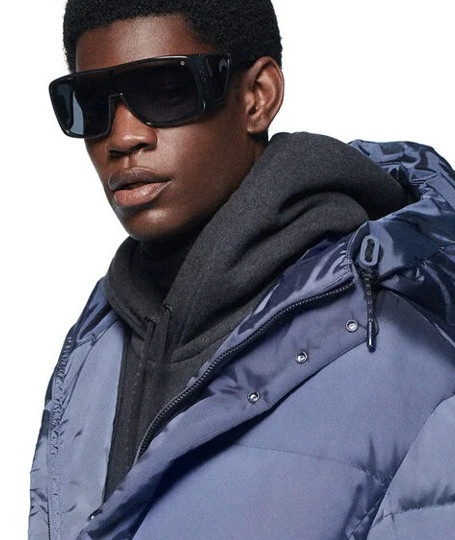
There was also a genuine family-to-family logic to the deal. Two brand families, each with a long history, are coming together with a shared ambition to protect what makes the brand special while investing in what comes next.
A resilient category with real momentum
Luxury apparel can be cyclical, but luxury sports and leisurewear have proven more robust and higher growth than many parts of the broader fashion market.
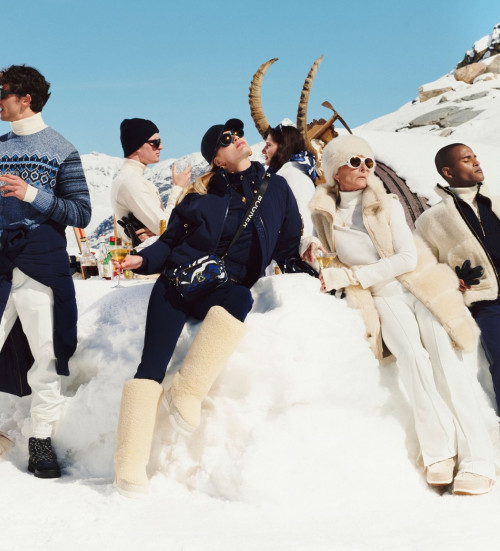
The “athluxury” space, blending performance and luxury design, has benefited from long-term shifts in consumer behaviour. Post-pandemic demand for high-end leisurewear, the continued strength of luxury spending among affluent customers, and the broader trend of sport influencing everyday fashion have all contributed to sustained momentum.
In that context, Bogner’s positioning stood out. It sits in a niche with limited true competition at its level of luxury-performance mix, giving it a defensible market position and a clear runway for growth.
What changes when the financing structure improves
A major value driver here was refinancing.
Replacing the existing private debt facility with a new syndicated structure delivered tangible benefits. The new financing is materially cheaper, provides improved flexibility, and reduces constraints that can limit strategic decision-making. For a business like Bogner, where working capital and guarantees matter day-to-day, having a structure that can constantly adapt to the working capital swings of the fashion industry is essential to remain financially efficient and flexible at all times.
Transactions like this underline that in complex and competitive market environments, the right financing is a strategic tool. When capital structures are adequately tailored to the business and its owners, they can enable the next phase of growth. Just as importantly, it shifts leadership focus away from managing tight financial restrictions and towards investing in growth.
Protecting heritage while unlocking investment-led growth
A key part of the structure was the decision for the Bogner family to retain a 40% stake and remain closely involved.
That mattered for continuity and confidence. It signalled belief in the future, reassured the market, and helped protect the brand’s identity through the transition. It also differentiated Katjes’s approach. The structure preserved independence and reinforced that this was a partnership built for the long term, not a takeover designed to strip out the past.
With a stronger capital base, the opportunity now is to invest behind the brand in the ways that support long-term value:
- Refreshing and modernising stores in line with a luxury positioning
- Expanding further internationally, including in high-potential US and Asian markets
- Investing in brand-building, marketing, and customer experience
- Broadening product and licensing opportunities to support year-round demand
This is how Bogner keeps its heritage, while making sure it never feels under-invested or behind the curve.
What changes when the financing structure improves
A major value driver here was refinancing.
Replacing the existing private debt facility with a new syndicated structure delivered tangible benefits. The new financing is materially cheaper, provides improved flexibility, and reduces constraints that can limit strategic decision-making. For a business like Bogner, where working capital and guarantees matter day-to-day, having a structure that can constantly adapt to the working capital swings of the fashion industry is essential to remain financially efficient and flexible at all times.
Transactions like this underline that in complex and competitive market environments, the right financing is a strategic tool. When capital structures are adequately tailored to the business and its owners, they can enable the next phase of growth. Just as importantly, it shifts leadership focus away from managing tight financial restrictions and towards investing in growth.

For a business like Bogner, where working capital and guarantees matter day-to-day, having a structure that can constantly adapt to the working capital swings of the fashion industry is essential to remain financially efficient and flexible at all times.

What success looks like from here
For Bogner, success looks like a new era of investment and international expansion, while staying true to the brand’s DNA. It means building a stronger global presence in luxury sports and outdoor categories, supported by a multi-channel model and a customer experience that matches luxury pricing.
For Katjes, it’s the confirmation of a strategic step into luxury. Bogner becomes a meaningful pillar in a broader portfolio of heritage brands, strengthening Katjes’s position as a long-term brand investor.
Most of all, this is a shared ambition. Both owners are aligned on long-term, sustainable value creation.
That’s the foundation for the next decade of growth, and a future where a German icon continues to evolve without losing what made it iconic in the first place.
Clearwater Advisers





Success Stories