Deployment pressure and shifting dynamics
Private equity continues to play a critical role in shaping M&A activity, both on the buy and sell side. In the year ahead, we expect this influence to grow, driven by a combination of dry powder pressure, portfolio management realities, and fundraising cycles.

Many private equity houses are now under pressure to deploy capital as they work towards future fundraises. Others are holding portfolios that have become too large, with investment partners stretched thin across too many board seats. This is pushing firms from a mindset of “we’d like to sell if the timing is right” to “we must sell ahead of our next fund”. The result is a more active stance on both acquisitions and exits, with LP expectations quietly guiding the rhythm of the market.
We completed 132 transactions involving private equity in FY24/25















Capital strategies and deal structuring trends
Access to capital isn’t a constraint for most funds. Those with capital are active, and even those who aren’t currently fundraising can often lean on supportive LPs or structured co-investment models to stay in the game.
One notable trend is that PE buyers are increasingly under-leveraging their platform investments at entry. By avoiding excessive debt at the outset, firms are keeping flexibility to raise additional capital later—either to fund bolt-ons or support international expansion when the market conditions improve. We’ve seen a sharp rise in debt advisory activity as a result—with deal flow in this area doubling over the previous year.
Continuation vehicles are also being used more frequently—especially for strong-performing assets held longer than expected. These allow firms to release liquidity for existing investors, while bringing in new ones to support the next phase of growth. Similarly, GP-led secondary buyouts are enabling funds to partner with one another—injecting new capital into assets that still have significant upside.
The continued popularity of buy-and-build strategies is also notable. Firms are using this approach to bring down blended entry multiples by acquiring smaller, lower-valued assets that complement the core business.
More cautious, but more focused
Despite this pressure, deal execution remains cautious. Investment committees are more demanding, diligence is deeper, and processes are taking longer. Buyers are turning over every stone to ensure businesses are robust enough to weather uncertainty—whether political, economic, or sector-specific. The world still feels uncertain, so while there’s pressure to deploy, it’s still done with a degree of caution.
Increased economic uncertainty due to US tariffs is adding another layer of complexity to the private equity landscape. These tariffs are expected to influence deal-making decisions, particularly in industries with high exposure to international trade. As a result, we expect private equity firms to become more thoughtful in their exit timing and to factor in the potential impacts of tariffs during due diligence processes. The industrials & chemicals and consumer sectors will likely feel the brunt of these changes, with increased costs and disruptions in supply chains. Meanwhile, sectors like business services, financial services, and technology are expected to continue operating relatively normally, as they are less dependent on international trade flows.
Private equity firms are also adopting a more selective and strategic lens, focusing on resilience, scalability, and growth headroom. Deals are still happening—but they’re happening with greater rigour.
Capital strategies and deal structuring trends
Access to capital isn’t a constraint for most funds. Those with capital are active, and even those who aren’t currently fundraising can often lean on supportive LPs or structured co-investment models to stay in the game.
One notable trend is that PE buyers are increasingly under-leveraging their platform investments at entry. By avoiding excessive debt at the outset, firms are keeping flexibility to raise additional capital later—either to fund bolt-ons or support international expansion when the market conditions improve. We’ve seen a sharp rise in debt advisory activity as a result—with deal flow in this area doubling over the previous year.
Continuation vehicles are also being used more frequently—especially for strong-performing assets held longer than expected. These allow firms to release liquidity for existing investors, while bringing in new ones to support the next phase of growth. Similarly, GP-led secondary buyouts are enabling funds to partner with one another—injecting new capital into assets that still have significant upside.
The continued popularity of buy-and-build strategies is also notable. Firms are using this approach to bring down blended entry multiples by acquiring smaller, lower-valued assets that complement the core business.

“Under-leveraging upfront and refinancing later is becoming more common—it gives PE firms flexibility to fund future growth.”
Marcus Archer, Managing Partner, Clearwater

PE-backed buyers vs traditional trade
When it comes to M&A, the lines between private equity-backed portfolio companies and strategic trade buyers continue to blur. Many portfolio companies behave like trade buyers—seeking acquisitions for customer access, geographic reach, team capability, or IP—but with the added speed and professionalism of a financial buyer.
Private equity-backed businesses often move more quickly in processes, with fewer layers of internal governance. They are also typically more thoughtful about people and incentives—not just looking to retain management, but actively structuring deals that align leadership teams through earn-outs and equity participation.
These differences may appear subtle, but they can be decisive—especially in founder-led businesses, where the cultural fit and future upside for the team matter just as much as valuation.
Sector targeting and strategic conviction
A growing number of private equity firms are now identifying key strategic markets in advance and building conviction well before a sale process begins. Rather than reacting to opportunities, these firms are doing the groundwork early—commissioning outside-in market assessments, building networks of sector experts, and bringing their investment committees on the journey months in advance.
This new generation of “conviction investors” are focused, prepared, and aligned. When a relevant asset comes to market—particularly in tech, tech-enabled services or other resilient and future-facing sectors—they’re able to act decisively.
This approach represents a significant shift from the traditional model of IM distribution and competitive bidding. Increasingly, the process starts well before the teaser lands—and the best outcomes are being secured through deep pre-process planning and early relationship building.
PE-backed buyers vs traditional trade
When it comes to M&A, the lines between private equity-backed portfolio companies and strategic trade buyers continue to blur. Many portfolio companies behave like trade buyers—seeking acquisitions for customer access, geographic reach, team capability, or IP—but with the added speed and professionalism of a financial buyer.
Private equity-backed businesses often move more quickly in processes, with fewer layers of internal governance. They are also typically more thoughtful about people and incentives—not just looking to retain management, but actively structuring deals that align leadership teams through earn-outs and equity participation.
These differences may appear subtle, but they can be decisive—especially in founder-led businesses, where the cultural fit and future upside for the team matter just as much as valuation.

With over 20 years of experience, we’ve been helping great businesses achieve more by providing expert, tailored advice to unlock opportunities and create lasting success.
Get in touch

Marcus Archer
Managing Partner
Transactions
Not just numbers on a balance sheet, our transactions represent over 20 years’ commitment to our clients’ future. Helping them change the game. Even before it was ready to be changed.

Investment in the UK's leading lettings and estate agent platform to accelerate growth plans
Adviser to LDC and shareholders of Lomond on its investment from ICG

LED Group partners with Oaktree to accelerate energy transition opportunities
Adviser to LED Group on its partnership with Oaktree Capital Management

Succession solution for a flagship company in the German IT industry
Adviser to Imker on the acquisition of a majority stake in AVM and the arrangement of related acquisition financing
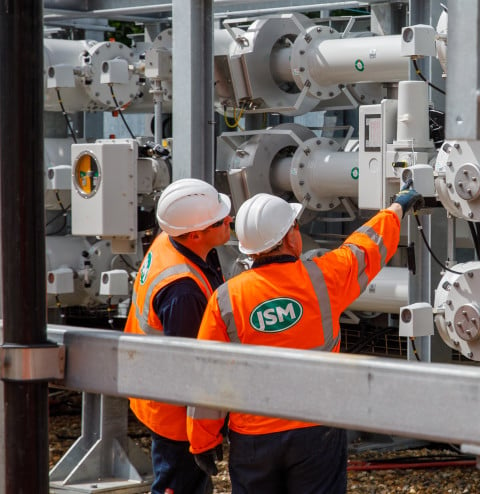
Majority sale of Rutland-backed JSM Group to TowerBrook Capital Partners
Adviser to the shareholders of JSM Group on its sale to TowerBrook Capital Partners
Our Financial Year Report
Explore our other insights and dive into the full report for a detailed look at our latest findings and forecasts.