As vehicles evolve into connected, software-driven platforms, interiors are transforming into versatile spaces that blend mobility with lifestyle, productivity, and entertainment. Similar to smartphones and smart homes, today’s vehicles are expected to offer personalised, intelligent experiences, turning the cabin into a dynamic, interactive environment.

Navigating challenges
The shift to smart interiors poses significant challenges for OEMs and suppliers. Chinese OEMs lead with rapid innovation amid cost pressures, while others grapple with gaps in software, AI, and user experience expertise. Complex technology integration, scaling premium features, adapting to evolving global regulations, and tackling growing cybersecurity threats all add complexity. And, all the while, US tech giants also continue to raise digital expectations inside the vehicle.
Key trends in smart interiors
- HMI: Curved OLED and full-width displays with voice, gesture, and AI controls
- AI: Voice assistants, predictive settings, biometric profiles, wellness monitoring
- Digital cockpits: Unified displays and HUDs enhancing driver and passenger experience
- Connectivity: Integration with smart homes and infotainment, less reliance on Western OS
- Health and wellness: Driver attention systems, air quality sensors, massage, aromatherapy
- ADAS and autonomy: AI cockpits and adaptable interiors for hands-free driving
- Infotainment: App stores, subscriptions, gaming through Android Automotive, CarPlay, and Chinese platforms
- Sustainability: Focus on recyclability, energy efficiency, and low-carbon materials


Leveraging M&A and strategic partnerships
M&A and partnerships are critical for OEMs and Tier-1 suppliers to address the challenges in the market, closing capability gaps, accelerating cockpit innovation, and scaling solutions to compete with tech giants. While headline-grabbing transactions make news, most activity targets niche tech firms, highlighting a trend of specialised consolidation.
Looking ahead: The future of smart interiors
The shift from hardware to software will make vehicle interiors dynamic digital spaces, balancing driver and passenger needs. Cockpits will drive loyalty, differentiation, and new revenue streams. OEMs aim to own the user experience, while Tier-1s become solution providers through partnerships. Keeping pace with China’s rapid innovation remains critical.
With over 20 years of experience, we’ve been helping great businesses achieve more by providing expert, tailored advice to unlock opportunities and create lasting success.
Automotive Lead

Tobias Schätzmüller
Managing Partner
Transactions
Not just numbers on a balance sheet, our transactions represent over 20 years’ commitment to our clients’ future. Helping them change the game. Even before it was ready to be changed.
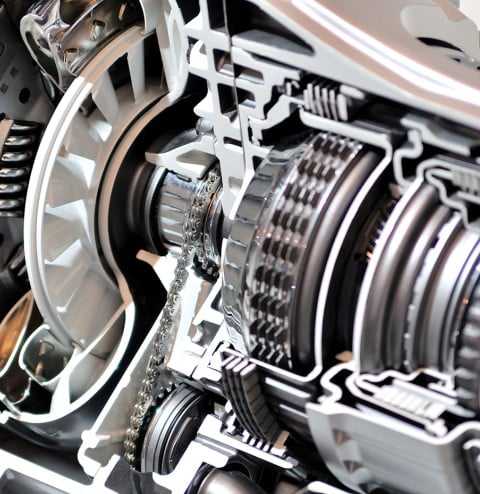
Acquisition creates national leader in spare parts distribution and mobility services
Adviser to Reynasa on its sale to Mutua Madrileña
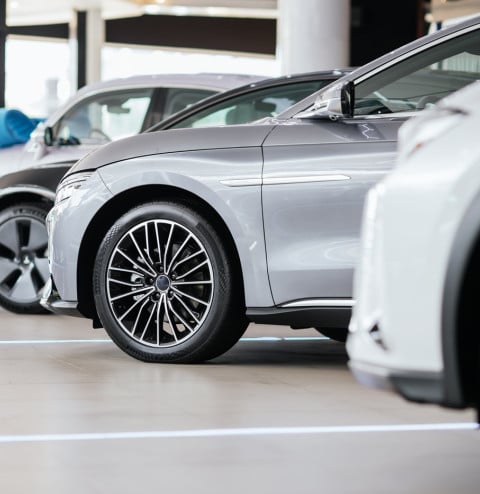
Leading Irish motor distributor and retailer sold to a global automotive group
Adviser to Cedar Automotive Group on its sale to Salvador Caetano Group

Strategic collaboration to secure and strengthen financial service offering to the Dutch mobility sector
Adviser to BOVAG on the transaction with a.s.r., including sale of Bovemij's insurance activities

Strategic acquisition strengthens European automotive platform
Adviser to Frauenthal on the sale of its automotive division to SteelCo
Our automotive sector leaders


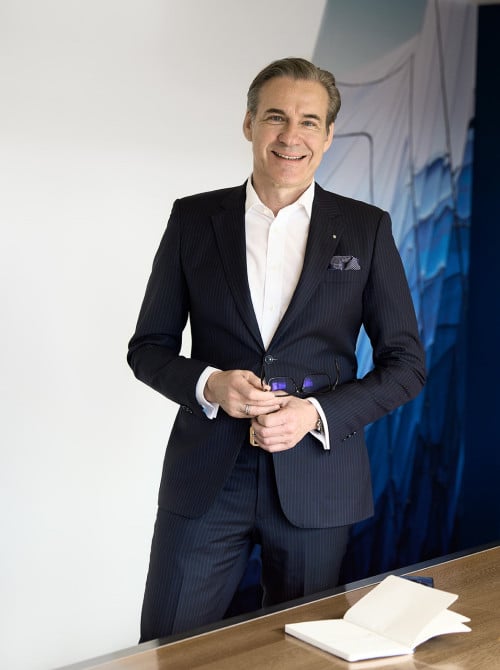







Tobias Schätzmüller
Managing Partner +49 172 670 45 43 tobias.schaetzmueller@clearwatercf.com Connect