The industrials and chemicals sector has delivered another solid year, underpinned by a continued shift towards resilient, high-quality assets with clear long-term demand drivers.
While macro uncertainty remains a constant backdrop, investors have become increasingly disciplined in where they deploy capital, prioritising businesses with strong visibility of earnings and exposure to structural growth markets.
Across Europe, activity has concentrated around sectors linked to essential infrastructure. Water, power, and data connectivity continue to attract significant investment, supported by long-term regulatory frameworks and sustained capital expenditure programmes. These markets offer both downside protection and clear growth trajectories, making them particularly attractive in an environment where predictability is at a premium.
At the same time, there’s been a noticeable move away from more capital-intensive and energy-heavy business models. Investors are focusing on asset-light, differentiated, service-led propositions, where margins are stronger and cost pressures can be more effectively managed.
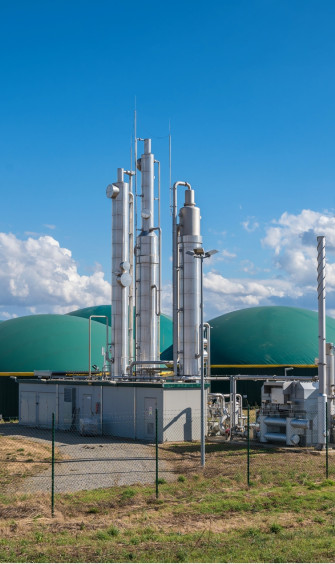
“We’re seeing consistent demand for businesses with real resilience, particularly those aligned to infrastructure priority areas, which bring long-term visibility on both spend and growth.”
Klaus Hansted, Partner and Head of Industrials & Chemicals
A changing investor landscape
One of the most notable shifts over the past 12 months has been the growing convergence between private equity and infrastructure investors. “Core-plus” infrastructure funds, supported by significant capital raised in recent years, have become increasingly active in the mid-market, competing directly with private equity for assets that offer stable, long-term returns.
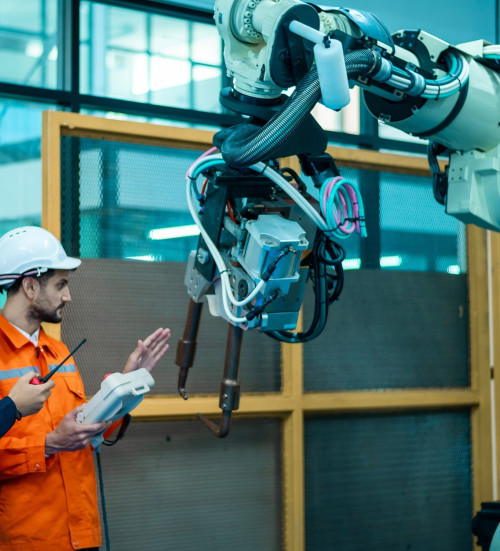
Innovation continues to be a key differentiator. Businesses that can evolve their service offering, unlock scalability, and adapt to regulatory requirements are commanding the greatest interest from investors.
“Industrial tech now runs through almost every business we see, it’s no longer a niche, it’s fundamental to how companies differentiate and grow.”
Klaus Hanstead, Partner and Head of Industrials & Chemicals
This has broadened the buyer universe and intensified competition for high-quality businesses, particularly those with recurring revenues and essential service offerings. At the same time, private equity has re-engaged with the sector, recognising the relative resilience of industrials, and perhaps seen as a safe-haven in a world of AI-uncertainties.
Strategic buyers also remain highly active, particularly from North America, where there’s a strong appetite for European assets. This combination of buyer groups continues to support robust processes and valuations for the right opportunities.
Industrial tech and energy transition shaping demand
Industrial technology is now embedded across the vast majority of businesses in the sector. What was once a distinct subsector has become a defining characteristic, with digital enablement, automation, and data-led capabilities increasingly expected as standard.
Alongside this, the energy transition is regaining momentum. Rising energy prices and ongoing geopolitical pressures have brought renewed focus to areas such as energy efficiency, storage, and distribution. Technologies supporting decentralised energy systems, including district heating and home energy solutions, are gaining traction, while circular economy models are becoming more commercially compelling.
Innovation continues to be a key differentiator. Businesses that can evolve their service offering, unlock scalability, and adapt to regulatory requirements are commanding the greatest interest from investors.
“Industrial tech now runs through almost every business we see, it’s no longer a niche, it’s fundamental to how companies differentiate and grow.”
Klaus Hanstead, Partner and Head of Industrials & Chemicals


Sector hotspots: defence, power, and specialised services
Several subsectors have stood out for their strong levels of activity and investor interest:
- Aerospace and defence, driven by increased government spending and long-term programme visibility, alongside rapid innovation in industrial technologies
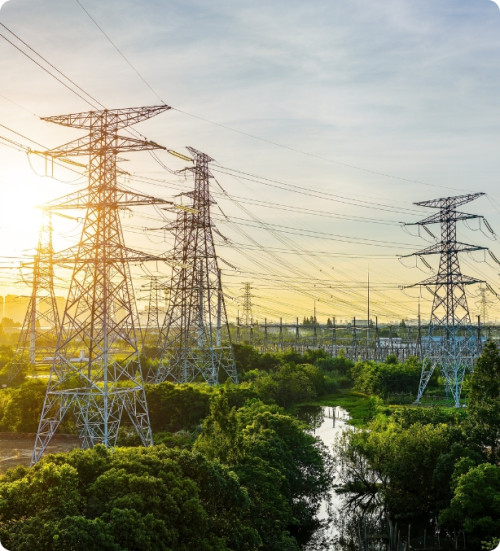
- Power and energy infrastructure, particularly where it supports data centres and electrification trends across Europe
- Specialty chemicals and distribution, where value-added propositions in fragmented markets continue to attract consolidation strategies
- Industrial and infrastructure services, especially businesses with recurring, compliance-driven revenue models
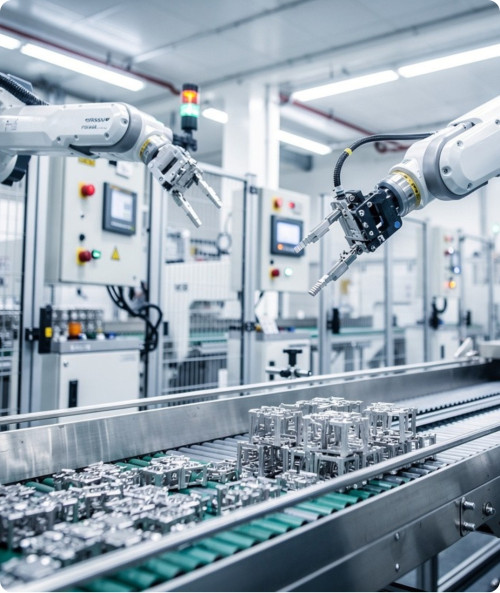
- Equipment-as-a-service models, reflecting the shift towards service-led, asset-light businesses with deep competitive moats
There’s also growing momentum in recycling and circular economy businesses, as rising input costs and regulatory pressures reinforce the value of closed-loop systems.
We completed 42 industrials and chemicals transactions with a total value of €2.5bn in FY25/26










Navigating uncertainty in a more resilient mid-market
While geopolitical factors continue to shape the broader landscape, their impact has been uneven across the market. Larger, discretionary transactions are more susceptible to delays, particularly where the strategic rationale is less immediate. In contrast, mid-market activity remains resilient, driven by necessity factors such as succession planning, growth capital requirements, and private equity investment cycles.
“Combining local insight with international reach is critical. It allows us to position assets in the right markets and connect them with the right buyers across the mid-market.”
klaus hanstead, Partner and head of industrials and chemicals
Looking ahead: confidence in fundamentals
The outlook for the sector remains positive, supported by strong underlying fundamentals. Demand for infrastructure, energy transition, and defence capabilities is expected to continue driving activity, while innovation and service-led models will shape the next generation of high-performing businesses.
In a market where uncertainty is likely to remain a constant, preparedness, resilience, and clarity of strategy will continue to define success. For businesses that can demonstrate these qualities, the opportunity to attract investment and achieve strong outcomes remains firmly intact.
Supply chain disruption and cost pressures are still present, particularly for lower-margin, energy-intensive businesses. However, companies with differentiated propositions and pricing power have demonstrated a strong ability to navigate these challenges.
Regulation is playing an increasingly important role, providing both clarity and impetus for change. It’s driving innovation, supporting consolidation, and prompting portfolio reshaping, particularly among international conglomerates reassessing their geographic focus and capital priorities.
A connected, growing international team
Our industrials and chemicals team continues to strengthen its international platform, operating as a fully integrated sector group across Europe and the US. Collaboration across offices remains a key differentiator, with strong alignment between regional teams and deep sector expertise.
The expansion of teams in France, Germany, the Netherlands, and Ireland has added further momentum, alongside continued investment in senior talent across key subsectors, including chemicals, infrastructure services, and industrial technology. Our partnership with KeyBanc continues to enhance access to North American buyers, supporting cross-border opportunities for clients.
“Combining local insight with international reach is critical. It allows us to position assets in the right markets and connect them with the right buyers across the mid-market.”
klaus hanstead, Partner and head of industrials and chemicals
Looking ahead: confidence in fundamentals
The outlook for the sector remains positive, supported by strong underlying fundamentals. Demand for infrastructure, energy transition, and defence capabilities is expected to continue driving activity, while innovation and service-led models will shape the next generation of high-performing businesses.
In a market where uncertainty is likely to remain a constant, preparedness, resilience, and clarity of strategy will continue to define success. For businesses that can demonstrate these qualities, the opportunity to attract investment and achieve strong outcomes remains firmly intact.

Industrials & Chemicals Lead
Klaus Hansted
Partner
I've been working in M&A since I joined Clearwater in 2013. I'm proud that together with my team members at Clearwater, we have built one of the most successful M&A practices in Denmark. Our success is built on thinking outside the box, combined with hard work, and always putting the customer's needs first. I advise Danish and international clients in M&A, primarily focusing on the industrial sector.
Find your local industrials & chemicals sector team
Get to know the experienced professionals driving results for our clients.
Transactions
Not just numbers on a balance sheet, our transactions represent over 20 years’ commitment to our clients’ future. Helping them change the game. Even before it was ready to be changed.

A new international partner to support the growth of the European leader in lighting, energy, and safety solutions for construction sites and infrastructure
Adviser to Platinum Equity on its acquisition of a majority stake in Trime from 21 Invest
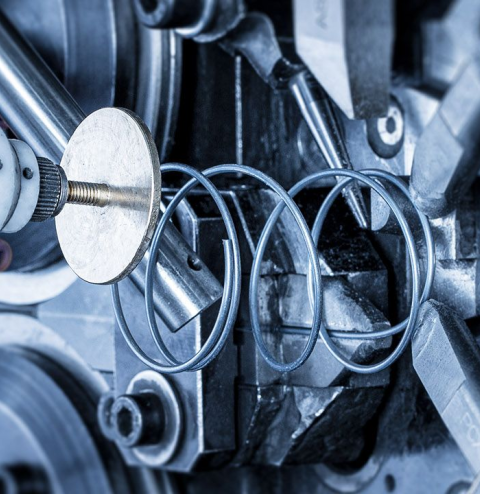
Financing secured to support the expansion of a leading precision springs manufacturer
Adviser to SEVEST on the refinancing of Sauter Group and the financing to support the acquisition of the Kauffmann Group
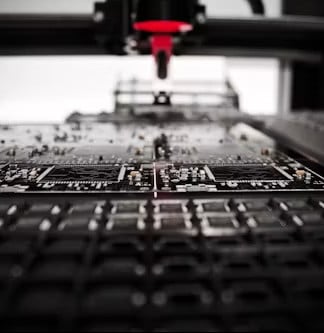
Leading supplier of test equipment for electronic components teams up with Swedish investment group
Adviser to DSE Test Solution on its sale to Tenuro

New shareholding structure to support Sabena Engineering’s international expansion in aerospace MRO
Adviser to Sabena Aerospace and Stéphane Burton on Andera Partners' investment in Sabena Aerospace Holding, alongside SFPIM
Our annual report
Explore our other insights and dive into the full report for a detailed look at our latest findings and forecasts.