About Trendhim
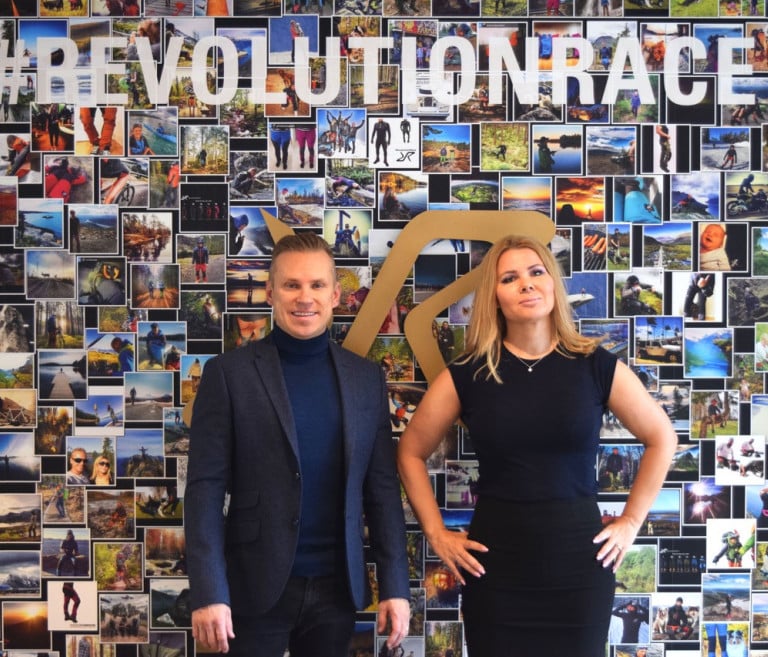
Trendhim was founded in 2007 by 18-year-old schoolmates, Sebastian Petersen and Mikkel Andersen. Martin Eden, a third partner, joined later. With €30k in initial capital earned from newspaper deliveries, flower arranging and jobs as postal workers, the young entrepreneurs started a web shop selling accessories for men.
In 2012, the entrepreneurs expanded the shop with their own brand, Lucleon. Since then, Trendhim has developed 12 additional brands.
In 2020, Trendhim sold 60% of the company to the private equity fund Priveq.
Why did you opt for the private equity route rather than selling to a strategic buyer?
When we started the process, we were open to both. We didn’t want to change a lot of things. We had a concept and business that worked very well, so the private equity fund model makes a lot of sense.
Is there a difference between how you viewed private equity firms before the process started, and how you view them now that you are partnered with one?
I thought it would be somewhat rigid and polished, and feared we were entering into an established system filled with Excel sheets and structures that we’d have to abide by, but the reality is often different when you actually get there. These are normal people with whom you can have ordinary conversations. We have far more freedom than what I feared we would. We came with our DNA from the start and Priveq completely respects that.

We’ve become more willing to take risks and more aggressive in our approach to the market, because we’re much less driven by fluctuations. The fund has a tremendous level of trust in our organisation and the leadership.

Many e-commerce businesses experienced extraordinary activity during the pandemic. How are things now that the market has normalised?
We’re in a stable position, but of course, we are not experiencing the same growth rates as last year, and that I think is healthy. Healthy for all of us, in that it gives us a bit of a reality check. After all, trees don't grow all the way to the sky and now that the market has normalised, the wheat needs to be separated from the chaff, and that will only strengthen us going forward.
Are the day-to-day operations any different today, than before selling to the private equity firm?
It’s still the same. We’re still the same leadership team, but we’ve matured somewhat and introduced better structures and processes, and the organisation has grown bigger and stronger. There has been a bit more clarity and strategic direction, and a more long-term perspective. We’ve become more willing to take risks and more aggressive in our approach to the market because we’re much less driven by fluctuations. The fund has a tremendous level of trust in our organisation and the leadership. We discuss strategic matters with them on a regular basis, in a steady flow alongside our board meetings and they always answer the phone when we call. But otherwise, we have a lot of freedom. In the fund, we have found a partner that believes in us.
Now that you have been working with a private equity fund for a while, what do you think are the greatest strengths of the private equity fund model?
If I were to name the biggest strengths, those are definitely the long-term perspective, strategy discussions and risk tolerance. You share risks, successes, upsides and downsides, as you reach for the same goals. This gives us a lot of peace of mind.
What is the best advice you would give to someone considering selling a majority stake to a private equity fund?
Don't underestimate the process of selling your company. You don't just snap your fingers and it happens. The company has to be ready for it. You also need a very skilled team to run the process, both internally and externally. You have to be ready, both for that process and for a new reality afterwards. You go from being one or a couple of owners, to entering a partnership. This is something you should want and be prepared for. It has been completely worth it for me, both personally and for the company.

Has the partnership with a private equity firm led to any changes in your strategy or objectives?
The strategy has not really changed. We’re still the same business creating maximum value for the consumer but entering this type of partnership means you gain a wider perspective and end up with some very talented people in your corner.
Private equity funds are known to be highly data-driven. Have they had stringent reporting requirements?
Of course, this is something you fear as an entrepreneur. There is so much bureaucracy that you lose value, but we are a highly data-driven company and have helped define what we need to report to the fund, and we never report anything unnecessary.
The Clearwater difference
1 Maintain local relationships while having a global outlook
2 Be flexible enough to accommodate all stakeholders
3 Recognise the truly differentiating features of a business
4 Engage across all stakeholders to identify areas of opportunity
Clearwater advisers


Success stories