Over the past five years, Spain’s egg market has quietly transformed. What was once a fragmented sector of regional, family-owned producers has evolved into a landscape defined by scale, consolidation, and international ambition. Private equity-backed platforms have emerged, international operators have entered, and the number of sizeable independent businesses has steadily reduced. Against that backdrop, El Granjero stood out.
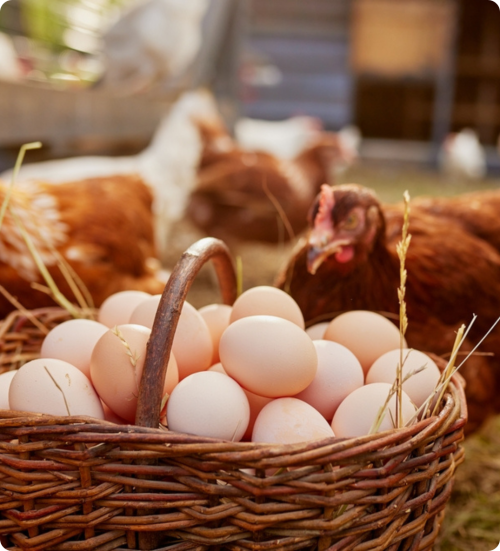
Founded in 1997 and based near Segovia, the business had grown into one of Spain’s leading independent egg producers, selling more than 300 million eggs annually and housing close to one million laying hens. More importantly, it had already undertaken the strategic investments that many of its peers were still facing. As European regulation accelerated the transition away from cage-based production, El Granjero had proactively shifted the majority of its output towards alternative systems, including free-range, barn, and organic eggs. That early move positioned the company ahead of both regulatory deadlines and consumer demand.
When we got to know the shareholders, the opportunity was clear. El Granjero combined scale, modernised facilities and strong retailer relationships in a market where independent assets of this size were becoming increasingly scarce.
Why El Granjero was so strategically attractive
El Granjero’s appeal rested on a combination of structural tailwinds and operational strength. From a regulatory and consumer perspective, the shift towards alternative egg production is no longer optional. The European Union has been steadily tightening standards around animal welfare, while consumers have demonstrated a growing willingness to pay a premium for free-range and organic products. With more than 60% of its revenues derived from alternative systems, El Granjero was already aligned with this trajectory. Crucially, it had completed most of the necessary capital investment, meaning an acquirer would inherit a platform positioned for growth rather than transition.
Commercially, the business had long-standing relationships with Spain’s major retail chains, supplying blue-chip supermarkets such as Carrefour, Lidl, and Alcampo for more than a decade. These relationships were built on consistent quality, reliability of supply and operational robustness. The absence of bird flu incidents throughout the company’s history further reinforced its reputation in a sector where disruption can have immediate commercial consequences.
Operationally, El Granjero was vertically integrated, producing its own feed and having recently invested in a state-of-the-art automated egg sorting and classification facility. These investments enhanced efficiency, improved margins, and strengthened scalability, all of which are highly attractive in a consolidating market.
A process defined by timing and judgement
During 2024, we were engaged to conduct a comprehensive analysis of the market landscape and El Granjero’s strategic opportunities. While the business was already performing strongly, our assessment identified a number of targeted investments that could further strengthen the platform and enhance its long-term positioning in a consolidating sector. Following this review, we advised the shareholders to prioritise these investments before initiating any potential M&A process, allowing sufficient time for the initiatives to deliver measurable operational and financial results.
Rather than forcing momentum prematurely, the family chose to follow that advice. Over the following months, the investments were successfully implemented, reinforcing the company’s operational platform and further strengthening its market position. At the same time, consolidation across the Spanish egg sector continued to accelerate, and the scarcity value of scaled independent producers increased. With those developments in place, we launched a competitive sale process at the beginning of 2025 that attracted strong interest from both Spanish and international investors, including Italian, German and Dutch groups. Following the receipt of several offers, the shareholders entered into exclusive negotiations with a preferred bidder.
Then an unexpected development reshaped the situation entirely. Egg prices rose sharply within a single month, materially impacting profitability across the sector. For El Granjero, this meant that the financial profile underpinning earlier negotiations no longer reflected reality. We worked closely with management to model the impact of these pricing dynamics, rebuilt a business case, and engaged with the bidder to explain why the valuation assumptions needed to be revisited.
When agreement could not be reached on updated terms, we advised the shareholders not to proceed. It was a moment that required understanding, and conviction. Closing quickly would have been simpler, but waiting for the right partner at the right valuation was more aligned with the long-term value of the business. Shortly afterwards, Hevo Group re-engaged. This time, the strategic fit, valuation, and long-term vision aligned.
Why El Granjero was so strategically attractive
El Granjero’s appeal rested on a combination of structural tailwinds and operational strength. From a regulatory and consumer perspective, the shift towards alternative egg production is no longer optional. The European Union has been steadily tightening standards around animal welfare, while consumers have demonstrated a growing willingness to pay a premium for free-range and organic products. With more than 60% of its revenues derived from alternative systems, El Granjero was already aligned with this trajectory. Crucially, it had completed most of the necessary capital investment, meaning an acquirer would inherit a platform positioned for growth rather than transition.
Commercially, the business had long-standing relationships with Spain’s major retail chains, supplying blue-chip supermarkets such as Carrefour, Lidl, and Alcampo for more than a decade. These relationships were built on consistent quality, reliability of supply and operational robustness. The absence of bird flu incidents throughout the company’s history further reinforced its reputation in a sector where disruption can have immediate commercial consequences.
Operationally, El Granjero was vertically integrated, producing its own feed and having recently invested in a state-of-the-art automated egg sorting and classification facility. These investments enhanced efficiency, improved margins, and strengthened scalability, all of which are highly attractive in a consolidating market.
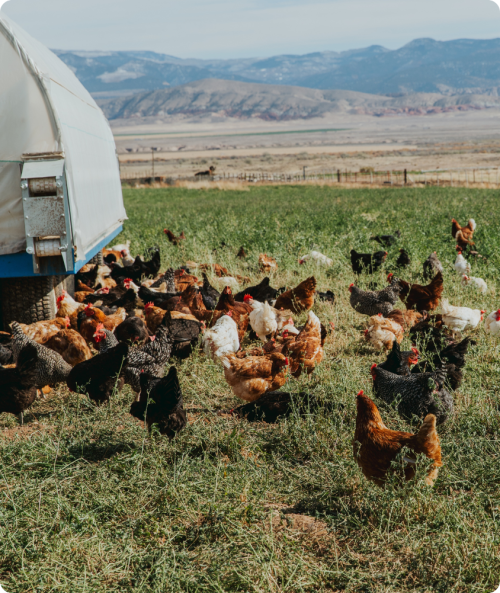
Waiting for the right partner at the right valuation aligned with the long‑term value of the business.
A sector where scale changes everything
The Spanish egg market increasingly favours larger operators. Retail customers are concentrated and commercially demanding, feed costs and chick supply economics reward purchasing power, and logistics and operational efficiency benefit from density and footprint.
By the time of the transaction, four major groups were actively consolidating the sector. Hevo Group, part of Global Eggs, had already built a substantial presence through prior acquisitions. Adding El Granjero not only strengthened its alternative production mix and retailer exposure, but also elevated the combined entity to the largest egg producer in Spain.
For Global Eggs, this marked a significant step in its broader European strategy. Spain provides a strong foothold for further expansion across Southern Europe. For El Granjero’s shareholders, it provided the reassurance that the business they had built would continue within a well-capitalised, growth-oriented industrial platform.
Supporting a family business through transformation
As with many family-owned businesses, the transaction involved more than financial metrics. El Granjero plays an important role in its local community near Segovia, and the shareholders were keen to ensure continuity for employees and the region alongside achieving fair value.
Throughout the process, we worked closely alongside the company’s finance function, supporting preparation, coordinating due diligence, and facilitating communication with international bidders. In practical terms, this meant frequent on-site engagement and close integration with the internal team to ensure the process progressed smoothly without disrupting day-to-day operations.
Balancing valuation, strategic fit, and cultural alignment was central to delivering the right outcome.
A defining chapter in Spain’s egg consolidation story
This transaction reflects wider trends shaping Southern Europe’s food production landscape. Investor appetite remains strong for resilient, scaled platforms that combine regulatory alignment, operational efficiency, and established customer relationships. Spain’s competitive cost base and growing domestic demand further enhance its attractiveness within Europe.
For Global Eggs and Hevo Group, the acquisition of El Granjero consolidates leadership in Spain and strengthens the foundation for future growth. For El Granjero’s shareholders, it marks the culmination of nearly three decades of disciplined growth and investment, and the transition of the business into its next chapter within a larger European platform.
In a market defined by consolidation, timing, and judgement proved decisive. Knowing when to pause, when to renegotiate, and when to proceed ultimately shaped the outcome.
Ready to talk?
To find out more about how we can help your business:
Clearwater advisers


Success Stories